

Open Carry is Now Legal in Florida: What You Need to Know
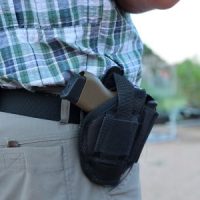
On September 25, Florida’s new open carry law took effect. Law abiding adults may openly carry a handgun or rifle/shotgun. When in a vehicle, you may carry openly or keep the firearm holstered or secured.
Florida does not currently require a permit to openly carry a firearm. You may openly carry in most public settings where no specific gun-free law applies.
However, the firearms must be lawfully owned and possessed. Anyone who can lawfully possess a firearm under state and federal law may openly carry in Florida. People prohibited from possessing firearms include convicted felons, those convicted of a crime involving domestic violence, those under restraining orders, and those deemed mentally incompetent.
Florida law draws a firm line when it comes to weapons and felony convictions. Anyone convicted of a felony is prohibited from owning or possessing firearms or ammunition.
Under Florida Statute § 790.23, a person with a felony conviction commits a second-degree felony if they own or have care, custody, possession, or control of any firearm, ammunition, or electric weapon or device. This prohibition applies regardless of whether the weapon is openly carried, concealed, or simply stored in a home, vehicle, or other location.
Florida generally permits ownership of many types of knives. However, carrying certain knives concealed can still lead to criminal charges. Because individuals with felony convictions are not eligible for concealed weapon licenses, hiding a larger knife in a pocket, waistband, or bag may result in an arrest.
Tasers and stun guns are strictly prohibited for people convicted of a felony. Florida law classifies electric weapons alongside firearms, making possession illegal regardless of intent or use.
The law also extends to ammunition and key firearm components, including magazines and receivers. Law enforcement treats ammunition itself as contraband for felons, meaning possession alone can result in arrest.
Pepper spray possession is a legal gray area. While small self-defense sprays under 2 ounces are legal for most people, individuals with felony convictions may still face scrutiny if the spray is viewed as a prohibited “chemical weapon” device. Officers can use discretion in these cases.
Florida recognizes two forms of possession, either which can lead to arrest:
- Actual possession, where a weapon or ammunition is on a person or within immediate reach.
- Constructive possession, where the item is located in a place the person controls, such as a car, bedroom, or shared residence, even if it belongs to someone else.
A felon in possession of a firearm faces a second-degree felony charge, punishable by up to 15 years in prison. If a firearm is used or discharged during another offense, Florida’s 10-20-Life mandatory sentencing laws may impose significant additional prison time.
Contact Us Today
Having a felony on your record can affect your rights, especially when it comes to firearm possession. Make sure you understand what weapons are legal for you so you can avoid harsh penalties.
A Fort Myers firearms offense attorney from Hollander & Hanuka can assist you with your case. We understand the complexities of Florida’s firearms laws and will aggressively defend your rights. To schedule a consultation, fill out the online form or call (239) 332-3300.
Source:
jacksonville.com/story/news/crime/2025/10/14/open-carry-laws-florida-what-weapons-felon/86686237007/
